Professional Food Menu Templates: Elevate Your Restaurant's Brand
Imagine a customer walking into your restaurant for the first time. Before they taste a single bite, they interact with your menu. That single piece of paper or digital screen sets the entire tone for their experience. It whispers about your brand's personality, hints at the quality of your food, and guides their decisions. A cluttered, confusing, or uninspired menu can undermine even the most exceptional cuisine. This is precisely why having a professionally designed, clean, and modern food menu template isn't a luxury—it's a fundamental business tool. It’s the silent ambassador of your culinary vision, and getting it right is crucial for making that powerful first impression.
The Anatomy of an Effective Restaurant Menu
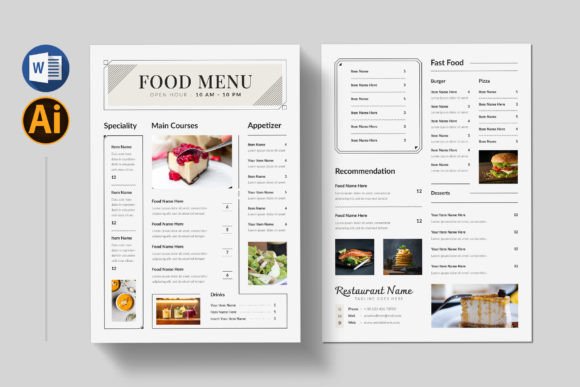
A great menu template does more than list dishes and prices. It functions as a strategic piece of design that balances aesthetics with psychology. The "Professional, Modern, Clean and Minimal" approach is particularly effective because it removes visual noise, allowing your food offerings to take center stage. Key elements include a clear visual hierarchy that guides the eye from appetizers to desserts, ample white space to prevent overwhelm, and a typography system that is both stylish and supremely readable. This kind of thoughtful layout isn't just about looking good; it's about improving the customer experience, potentially increasing the average order value by subtly highlighting signature dishes, and reinforcing your brand's identity with every page turn.
More Than Just Paper: Where Your Menu Template Shines
While the primary use is obvious, a versatile, well-organized template like this one becomes a cornerstone asset for multiple marketing channels. Its value extends far beyond the physical table tent or printed booklet.
- Digital Presence: Easily adapt the design for your website's menu page, ensuring brand consistency from the physical location to the online world. The same template can be resized for social media graphics—think Instagram Stories showcasing a "Dish of the Day" or a Facebook post promoting a new seasonal menu.
- Print Marketing: Use it to create matching takeout menus, catering brochures, or flyers for local distribution. The included print-ready files with proper bleeds and CMYK color ensure what you see on screen is what you get in print, every time.
- Brand Collateral: The design elements can inspire or be directly used for other materials like staff uniforms, table markers, or even packaging stickers for your to-go containers, creating a cohesive brand ecosystem.
- Operational Efficiency: For businesses like hotels, resorts, or cafes with multiple dining venues, a single, easily editable template allows for quick updates and consistent branding across all outlets without starting from scratch each time.
Practical Design: Editability Meets Professional Polish
The true power of a premium template lies in its blend of professional design and user-friendly customization. This is where features move from a simple checklist to real-world value for a busy restaurant owner or manager.
- Effortless Customization: Being built in common tools like MS Word and Adobe Illustrator means you don't need a degree in graphic design to make it your own. Changing text, swapping a logo, updating colors to match your brand palette, or inserting your own food photography is straightforward. Well-labeled layers are a lifesaver, preventing the frustrating "hunt for the right element" that plagues poorly organized files.
- Print-Perfection Details: Technical specifications like 300 DPI resolution and a CMYK color mode are non-negotiable for crisp, professional printing. The inclusion of bleed settings (that extra margin beyond the trim edge) and safe guides ensures no critical text or imagery gets accidentally cut off during the printing process. This attention to detail separates amateur efforts from professional results.
- Typography with Purpose: The use of free, high-quality Google Fonts is a smart choice. It keeps licensing simple and ensures the typography remains modern and legible. A good template will include font links, making it easy to maintain consistency if you need to use the same typeface elsewhere in your marketing.
Aligning Your Menu with Your Brand Story
Choosing a template is a branding decision. A minimalist, modern menu template suits a contemporary bistro, a high-end grill bar, or a chic hotel restaurant aiming for a sophisticated, uncluttered vibe. It communicates confidence, clarity, and a focus on quality ingredients. Before you begin customizing, consider your brand's core personality. Is it rustic and warm? Sleek and urban? Playful and casual? While the template provides the structure, your choice of imagery, the tone of your dish descriptions, and your final color tweaks will tell your unique story. A template acts as a professional foundation, but your brand's soul comes through in the details you add.
From Template to Tangible Asset: A Step-by-Step Approach
To make the most of a downloadable template, a structured approach helps ensure a smooth process from download to final print.
- Strategic Planning First: Before opening the file, finalize your menu content. Have all dish names, descriptions, prices, and dietary symbols ready. Decide on your final photography or illustration plan. This prevents constant back-and-forth editing in the design file.
- Customize with Consistency: Open the template in your preferred software (Word for simplicity, Illustrator for full control). Replace placeholder text and logos. Use your established brand colors and fonts. If you're unsure, many designers recommend using no more than two complementary typefaces—one for headings and one for body text—to maintain a clean look.
- Test for Readability: Print a draft copy. Check text size and contrast in various lighting conditions similar to your restaurant's ambiance. Ensure there's enough space between items for easy scanning. Ask someone unfamiliar with your menu to find a specific dish; their ease of navigation is your usability test.
- Finalize for Production: Once satisfied, use the provided print-ready files. Double-check that all images are high-resolution and embedded. If using the Illustrator file, ensure all fonts are outlined if required by your printer. This final step guarantees your investment in a quality template translates into a flawless physical product.
Ultimately, a thoughtfully designed food menu template is an investment in your business's operational efficiency and brand perception. It saves countless hours of design work, provides a professional standard that builds customer trust, and offers the flexibility to adapt as your business evolves. In the competitive landscape of hospitality, where every detail contributes to the guest experience, starting with a strong, adaptable visual foundation isn't just helpful—it's essential for success.