Loop: Where Social Engagement Flows Naturally
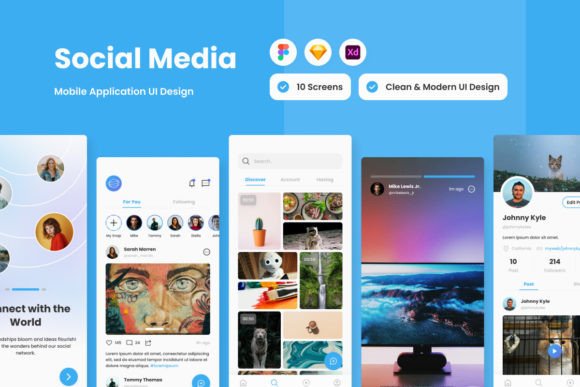
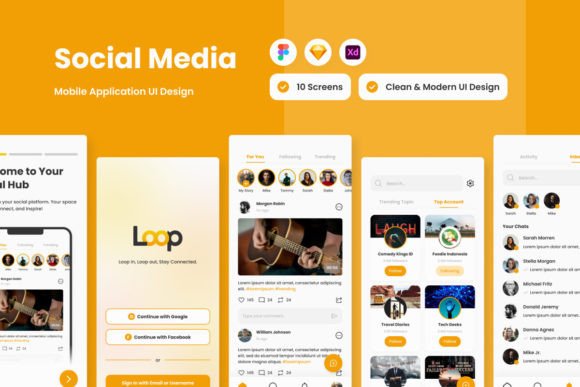
Imagine a social media experience that feels less like a broadcast and more like a conversation you actually want to join. That’s the core idea behind Loop – a mobile app designed to pull you into a continuous stream of connection, inspiration, and real-time interaction. It’s built around the concept of “looping in” – pulling friends into your stories, tuning into trending topics that matter, and building a circle of influence that feels authentic. For designers, creators, and brands, this presents a fascinating visual challenge: how do you design an interface that feels both dynamic and intuitive, a space where content flows seamlessly and engagement feels organic?
Crafting a Visual Language for Continuous Connection
The visual identity of a platform like Loop isn't just about looking good; it's about facilitating a specific type of interaction. The design needs to guide the eye, make navigation feel effortless, and create a sense of community. Think about the layout of your favorite social app – what makes it easy to scroll for minutes without fatigue? How do notifications feel urgent without being intrusive? The Loop design system likely prioritizes clean, well-organized layers that allow for this kind of fluid experience. A high-quality screen layout design ensures that every element, from the profile grid to the story carousel, has a purposeful place, reducing visual clutter and letting the content – your stories, conversations, and connections – take center stage.
This focus on user-centric design translates directly into powerful branding opportunities. When the interface itself feels intuitive and engaging, users develop a positive association with the brand. For a small business or content creator, establishing a presence on a platform with such a thoughtful design can lend an immediate air of professionalism. Your content isn't fighting against a clunky interface; it's presented within a framework designed for appreciation and interaction. This seamless integration is key to building brand recognition in a crowded digital space.
From App Interface to Brand Ecosystem
The principles that make a social app like Loop successful – clarity, consistency, and a focus on connection – are the same principles that underpin strong brand identity. Consider how the app's visual language might inspire your own projects. The clean typography and organized layout are a masterclass in modern typography and visual hierarchy. These aren't just technical specs; they're tools for effective communication.
For a graphic designer crafting a logo, the challenge is similar: distill a brand's essence into a clear, memorable mark. For a marketer creating social media graphics, the goal is to stop the scroll with visuals that are both striking and easy to digest. The design philosophy behind Loop, emphasizing a continuous stream of inspiration, mirrors the need for a consistent visual thread across all your platforms – from your website and blog to your packaging and print materials. A well-chosen premium font or typeface becomes the voice of that thread, ensuring your brand sounds the same whether someone is reading a tweet, an email, or a product label.
Practical Applications for Creatives and Entrepreneurs
Let's get specific. How can the visual thinking behind a platform like Loop inform your actual work? The answer lies in its adaptability and focus on clarity.
- Social Media & Digital Presence: The app's design is built for engagement. Apply that same thinking to your Instagram stories or LinkedIn posts. Use clean layouts, ample white space, and typography that's readable on a small screen. A font with good readability considerations is non-negotiable here.
- Packaging & Product Design: Think about the "unboxing experience" as a story unfolding. How does the typography on your packaging guide the customer's eye from the brand name to the key features? A well-organized design, like the app's layers, creates a sense of quality and intention.
- Editorial & Blog Layouts: Whether it's a digital magazine or a simple blog, the flow of information is critical. Use headings, subheadings, and body text in a clear hierarchy to make long-form content scannable and inviting. This is where testing font pairings – perhaps a bold display font for headers and a clean sans serif for body text – becomes essential.
- Marketing Assets & Invitations: From email newsletters to event invites, every piece of communication is a touchpoint. Consistent use of a core typeface and color palette (like the global text and color styles in design files) reinforces brand identity and builds trust over time.
Making It Work: From Concept to Creation
Adopting a design-first mindset means thinking practically about your tools. When selecting a font for a project, start by defining the personality you need to convey. Is your brand voice friendly and approachable, or authoritative and luxurious? A script font might evoke elegance for a wedding invitation, while a geometric sans serif could communicate innovation for a tech startup.
Always test your choices in context. A font that looks stunning in a headline might become illegible in a paragraph. Check how it renders across different devices and sizes. If you're working on a branding project, create a simple style guide that outlines your primary and secondary typefaces, their intended uses, and spacing rules. This is the equivalent of the "well organized and neat" design files that make collaboration smoother – it ensures visual consistency whether you're working solo or with a team.
Finally, be mindful of the practicalities. If you're using a creative font for commercial projects, always verify the licensing. Understanding whether a font is free for personal use or requires a commercial license is a small but crucial step in professional presentation. It protects you legally and ensures the creators behind the typefaces you love are supported.
In the end, designing for social engagement – whether it's through an app interface or a brand campaign – is about creating a welcoming space. It’s about clarity, consistency, and a deep understanding of how people see and interact with visual information. By focusing on these core principles, you can craft experiences that don't just capture attention, but build lasting connections. That’s the true loop of meaningful design.