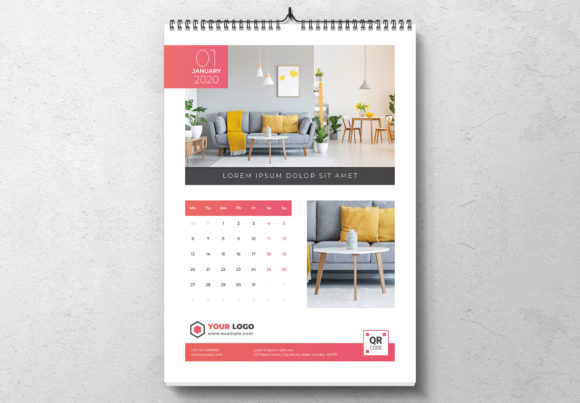
Organize Your Year with a Wall Calendar Creative Template
There’s a certain magic in a fresh wall calendar. It’s more than just a grid of dates; it’s a blank canvas for the year ahead, a central hub for family life, a branding touchpoint for a local business, or a stunning piece of art for your office. But finding one that perfectly matches your vision can be a challenge. That’s where a well-designed, customizable template changes everything, transforming a simple planning tool into a powerful creative asset.
Beyond the Grid: Why a Creative Template is a Game-Changer
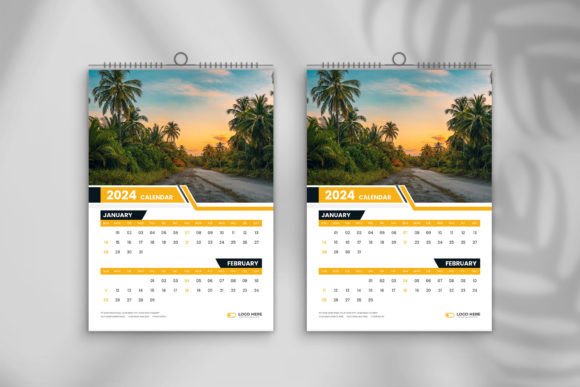
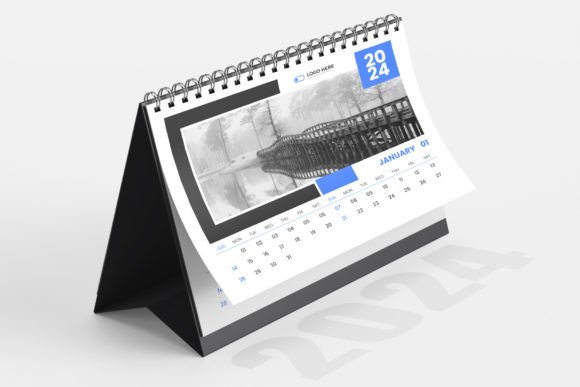
A standard calendar from the store gets the job done, but it rarely inspires. A creative template, however, puts you in the designer’s seat. Imagine a calendar where every element—from the elegant serif font used for the months to the clean sans-serif font for the dates—aligns perfectly with your brand’s color palette. This is about visual consistency, the kind that builds recognition and looks incredibly professional. Instead of settling for generic, you create something that feels uniquely yours, whether it’s for your kitchen wall or your client’s office.
The real power lies in the details. A professional template isn’t just a static PDF. It’s a layered, editable file, often in formats like INDD or IDML, meaning you can open it in Adobe InDesign and tweak absolutely everything. Want to change the color of every single page with one click? Use the Swatches panel. Need to adjust the text style? Paragraph and Character Styles let you do it in a single step. This level of control is what separates a quick project from a polished, print-ready masterpiece. The 300 DPI resolution and 3mm bleeds included mean you can send it straight to the printer without worrying about technical specs.
Practical Applications: From Your Brand to Your Home
So, who actually uses a customizable wall calendar template? The answer might surprise you with its variety.
- Small Business Owners & Entrepreneurs: Create branded calendars as client gifts or office decor. It’s a year-long advertisement that feels thoughtful, not salesy. Use your logo, brand colors, and fonts to reinforce your identity every time someone checks a date.
- Designers & Agencies: Offer calendar design as a premium service. A template with pre-set styles and automatic page numbering saves hours of setup time, letting you focus on the creative layout for each month. It’s a fantastic addition to a package for editorial design or packaging design projects.
- Content Creators & Marketers: Plan content themes visually. Use the calendar as a social media graphic or a blog post graphic to share upcoming series, product launches, or event schedules. The layered file makes it easy to export individual months for digital use.
- Event Planners & Coaches: Design stunning promotional materials for year-long programs, retreats, or workshops. A beautiful calendar can serve as the central marketing asset, setting the tone for the entire event.
- Families & Hobbyists: This is where it gets personal. Create a family command center with everyone’s schedules, sports, and birthdays. Or, design a calendar featuring your own photography, illustrations, or quotes. It turns a functional item into a cherished keepsake.
Making It Work: Practical Design Advice
Having a powerful template is one thing; using it effectively is another. Here’s how to get the most out of it.
Match the Font to the Feeling. The template likely includes several font styles. Don’t just pick the first one. A script or handwritten font can add a personal, artistic touch for a boutique or a family calendar. A clean, modern sans-serif font screams professionalism and clarity, perfect for a corporate gift or a tech startup. For a luxury brand or a law firm, a classic serif font conveys tradition and trust. Think about the personality you want to project.
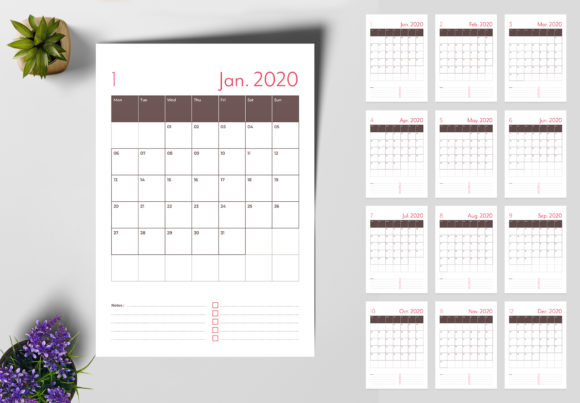
Color is Your Secret Weapon. The one-click color change feature via Swatches is your best friend. Start with your brand’s primary and secondary colors. Don’t be afraid to create a mood. Warm, earthy tones for a yoga studio. Bold, high-contrast colors for a fitness brand. Soft pastels for a wedding planner. Consistent color application across all 13 pages (12 months plus a cover) is what creates that professional, cohesive look.
Pair Your Fonts with Purpose. A great calendar often uses two complementary fonts: one for the month headers and another for the dates and notes. The key is contrast. Pair a bold display font with a simple, readable body font. Ensure the date numbers are large enough to be read from a distance—this is a practical wall calendar, after all. Test your pairings by looking at a sample month printed out. Does it feel balanced?
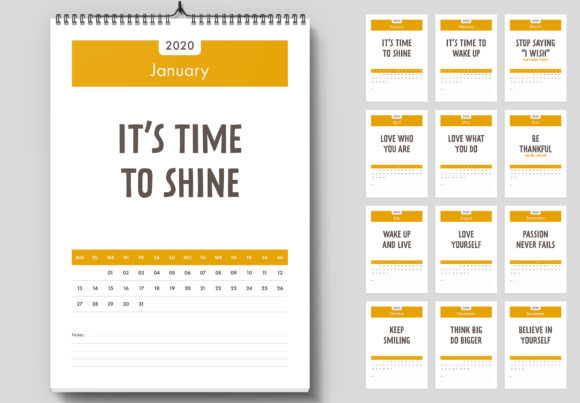
Think Beyond the Dates. Use the space creatively. Include a small inspirational quote each month. Add a section for monthly goals or a habit tracker. For a business, feature a different product or service each month. The template’s structure gives you a framework, but the content is where you connect with your audience.
The Final Print-Ready Checklist
Before you send your creation to the printer or share it digitally, run through this quick list:
- Proofread Everything: Check every date, every holiday, every spelling. A single error can undermine the professional presentation.
- Check Bleeds and Resolution: Ensure any background colors or images extend to the 3mm bleed line to avoid white edges after cutting. Confirm all images are 300 DPI for sharp printing.
- Review Font Licensing: If the template includes premium fonts, check the license. Can you use it for commercial projects? This is crucial for any business use.
- Export Correctly: For print, a high-quality PDF is standard. For digital sharing, you might export individual pages as JPEGs or PNGs.
- Test the Flow: Flip through the pages digitally. Does the design feel consistent? Is the visual hierarchy clear? Does each month feel connected to the whole?
A wall calendar is a year-long commitment to a visual style. By starting with a versatile, professionally built template, you’re not just organizing dates—you’re crafting an experience, strengthening a brand, or creating a piece of art that will be seen every single day. It’s a small design project with a surprisingly long-lasting impact.