Mastering Business Plan Presentation Design for Professional Impact
Imagine walking into a boardroom, your heart steady, your idea solid. You have the data, the vision, the strategy. But the moment your slide deck appears on the screen, you see polite smiles tighten. The text is too small, the colors clash, and the layout feels like an afterthought. In those first few seconds, your credibility takes a hit before you’ve even spoken a word. This is the silent power of design—it frames your content, sets expectations, and either builds trust or erodes it. A polished, well-structured presentation isn’t just decoration; it’s a critical piece of your business communication toolkit.
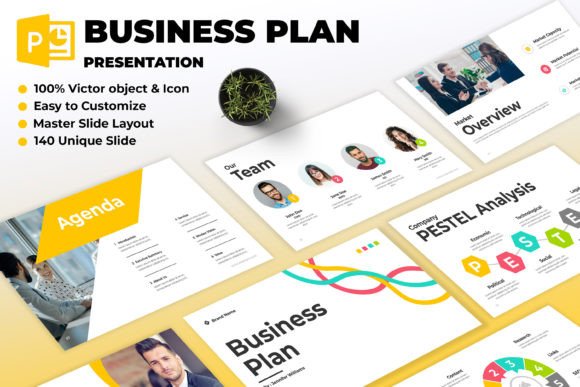
A thoughtfully crafted Business Plan Presentation Design template does more than organize information. It acts as a visual translator, turning complex data and abstract ideas into a clear, compelling narrative. The elegance lies in its restraint: clean lines, strategic white space, and typography that guides the eye without shouting. This minimalist approach isn’t about being bland; it’s about removing noise so your core message resonates. When every slide is designed with intention, from the opening title to the closing call-to-action, you create a seamless experience that respects your audience’s time and intelligence.
The Anatomy of an Effective Slide Deck
What separates a forgettable slideshow from a presentation that moves people to action? It starts with foundational design principles that prioritize clarity and flow. A premium template, like the one described, often includes over 140 unique slides built on a master slide layout. This ensures visual consistency across every page—fonts, colors, and spacing remain uniform, which is crucial for maintaining a professional brand identity. Features like drag-and-drop photo replacement and Full HD resolution mean you spend less time wrestling with software and more time refining your message.
Consider how data visualization is handled. Instead of cluttering a slide with dense spreadsheets, effective design uses clean charts, graphs, and icons to highlight key metrics. The typography, typically a blend of modern sans serif and serif fonts for contrast, is chosen for readability at a glance. Ample white space around text and visuals prevents cognitive overload, allowing each element to breathe. This thoughtful layout guides your audience through a logical progression: problem, solution, market analysis, financials, and vision. It’s storytelling through structure.
From Investor Pitches to Team Meetings: Real-World Applications
The true value of a versatile presentation template reveals itself in its adaptability. For entrepreneurs pitching to investors, every slide must build confidence. A clean, professional design signals that you’ve done your homework and respect the stakes. The template’s structured layouts for introducing key concepts and showcasing data help distill a complex business model into digestible insights. You’re not just presenting numbers; you’re crafting a persuasive argument for your company’s future.
Beyond high-stakes pitches, this design serves equally well for internal communications. Use it for quarterly business reviews, project proposals, or strategic planning sessions. The consistent aesthetic fosters clarity in team meetings, ensuring everyone is aligned on goals and metrics. For small business owners, it can streamline reporting to partners or stakeholders, transforming dry updates into engaging narratives. The template’s versatility means it’s not a one-trick pony—it’s a foundational asset for any professional setting where clear, persuasive communication is key.
Enhancing Brand Cohesion Across Touchpoints
Your presentation design shouldn’t exist in a vacuum. It should feel like a natural extension of your broader brand identity. The color accents, typography, and overall visual tone of your slide deck should mirror your website, business cards, and marketing materials. This consistency builds brand recognition and reinforces professionalism. When a potential client or investor sees your presentation, they should immediately connect it with the look and feel of your other assets, creating a unified brand experience.
This principle extends to how you approach all your design projects. Whether you’re creating social media graphics, packaging, or editorial layouts, maintaining a cohesive visual language is essential. The font pairing you choose for your presentation—perhaps a bold sans serif for headlines and a clean serif for body text—can inform your typography choices across other materials. This strategic alignment across platforms strengthens your brand’s presence and makes your business more memorable in a crowded marketplace.
Practical Tips for Customization and Readability
Even the most beautiful template requires thoughtful customization to fit your specific content. Start by reviewing the included slide layouts and planning your narrative flow. Not every slide in a 140-slide template will be necessary; select and adapt the ones that best serve your story. Pay close attention to font choices. If the template uses a free font, ensure it has the weight and style variations you need for hierarchy. Test your content at the back of the room—can the text be read easily from a distance? Are the color contrasts strong enough for clarity?
When adding imagery, opt for high-quality photos that align with your brand’s aesthetic. The drag-and-drop feature simplifies this process, but take the time to choose visuals that add meaning, not just decoration. Keep your data visualizations simple and labeled clearly. Remember, the goal is to enhance comprehension, not to impress with complexity. Finally, leverage the master slides to make global changes efficiently. If you decide to adjust your color scheme or font size, doing it once on the master slide will update the entire deck, ensuring perfect consistency.
Beyond the Boardroom: Integrating Design Assets
The design principles that make a business plan presentation effective are the same ones that elevate other creative projects. The clean, modern typography and structured layouts can inspire your approach to web design, blog graphics, or even packaging. Think of your presentation not as an isolated file, but as part of a larger toolkit of design assets. The visual clarity and professional polish you achieve here can set a new standard for all your brand communications.
For content creators and marketers, this template can be a springboard for repurposing content. Extract key data points for infographics, use slide layouts as inspiration for social media carousels, or adapt the color palette for email headers. The underlying design logic—clear hierarchy, balanced composition, and purposeful whitespace—is universally applicable. By mastering these concepts in the context of a presentation, you develop a keener eye for visual storytelling across every platform you use to connect with your audience.