Boho Junior Bridesmaid W3121JM: A Modern Calligraphy Asset
The moment you start curating a visual identity, whether for a wedding, a lifestyle brand, or a digital product launch, you realize that typography isn't just about legibility—it's about emotion. I recently integrated the Boho Junior Bridesmaid W3121JM typeface into a project for a client launching a new line of organic home goods, and the shift in tone was immediate. This font doesn't just sit on the page; it sways. It captures that specific, sought-after "boho" aesthetic—free-spirited, artistic, and deeply personal—without sacrificing the structure needed for professional design work. If you have been searching for a premium font that bridges the gap between a whimsical handwritten style and a sophisticated display font, this is a typeface that demands a closer look.
Understanding the Aesthetic: More Than Just "Pretty" Script
When we talk about the "Boho" style in typography, we are usually referring to a blend of natural, organic shapes with a touch of rustic elegance. The Boho Junior Bridesmaid typeface excels here because it avoids the overly rigid baselines found in traditional calligraphy. Instead, it offers a bouncy, flowy rhythm that mimics real hand-lettering.
Visually, it strikes a balance that many script fonts miss. It is intricate enough to feel premium and custom-designed, yet it maintains a warmth that invites the reader in. For designers working on editorial layouts or packaging design, this is crucial. A font that is too "perfect" often feels sterile, while one that is too messy feels amateurish. This specific typeface sits in the sweet spot, offering a texture that feels tactile—like ink on high-quality cotton paper.
Practical Applications for the Creative Professional
One of the biggest mistakes I see in brand identity projects is using a script font for the wrong medium. However, the versatility of a font like Boho Junior Bridesmaid W3121JM opens up a wide array of creative avenues. Because it is a high-quality display font, it shines brightest where it can breathe.
Here is how I recommend utilizing this typeface across different assets:
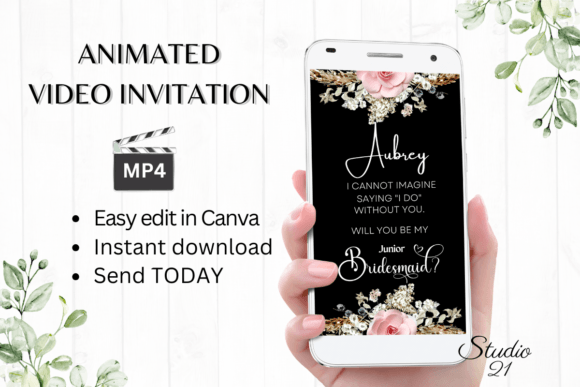
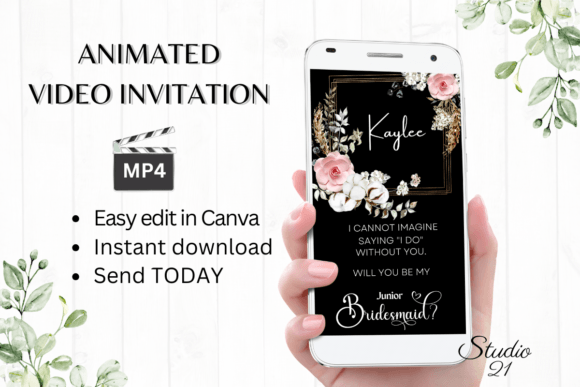
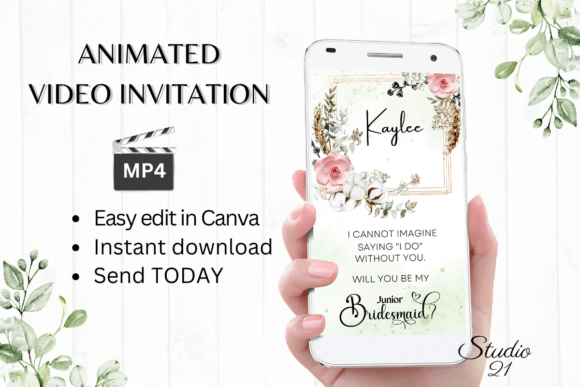
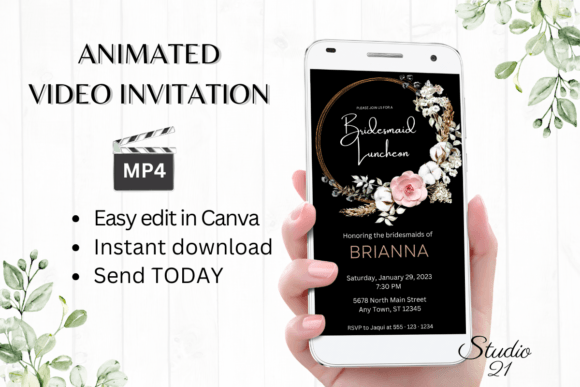
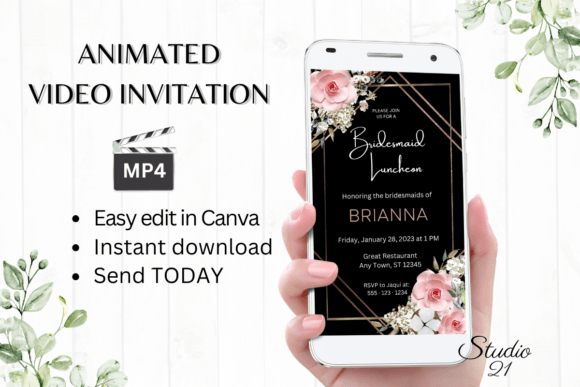
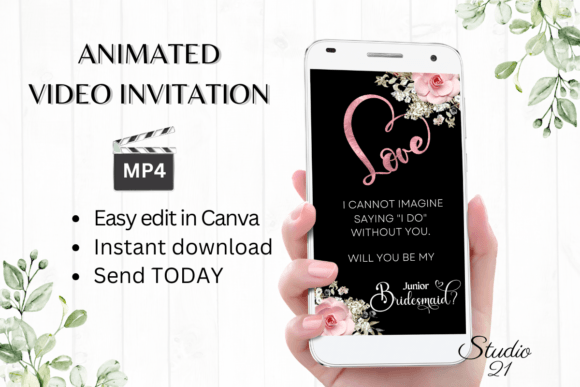
- Wedding Stationery & Invitations: Obviously, this is a natural fit for the "Junior Bridesmaid" namesake. It creates a romantic, cohesive look for save-the-dates, menus, and place cards.
- Logo Design & Branding: For lifestyle brands, yoga studios, bakeries, or boutique clothing lines, this font serves as an excellent primary wordmark. It immediately communicates that the brand is approachable and artistic.
- Social Media Graphics: In a sea of sans-serif minimalism on Instagram, a distinct script font can stop the scroll. Use it for pull quotes, headers on carousel posts, or story backgrounds to add a human touch.
- Merchandise: Think about tote bags, coffee mugs, or t-shirts. Handwritten styles tend to sell better on merchandise because they feel less corporate and more like a personal statement.
Pairing Typography: The Art of Balance
Using a decorative script font effectively requires a strong supporting cast. If you pair Boho Junior Bridesmaid with another ornate font, your design will likely look cluttered and unreadable. The goal of modern typography is contrast.
When I used this font recently, I paired it with a clean, geometric sans serif font. The contrast between the organic, flowing curves of the Boho script and the rigid, mathematical structure of the sans serif created a dynamic visual hierarchy. The script draws the eye to the headline or the emotional hook, while the sans serif delivers the data and details in the body copy.
Another approach is pairing it with a classic serif font. This works beautifully for editorial design—think magazine covers or blog headers—where you want to blend a vintage, romantic vibe with traditional authority. The key is to ensure the x-height and the visual weight of the secondary font don't overpower the delicate strokes of the primary script.
Technical Considerations for Digital and Print
As a designer or business owner, you know that a font looking good on your monitor is only half the battle. It needs to perform in the real world. One of the standout features of this typeface is its legibility at medium to large sizes. While it is a handwritten font, the letter spacing (kerning) is well-crafted, preventing the letters from crashing into one another—a common issue with cheaper script fonts.
However, readability considerations are vital. I would advise against using Boho Junior Bridesmaid for long blocks of body text or fine print. Its strength lies in headers and short bursts of text. For web design, ensure that if you use it for headings, you have a web-safe fallback font specified in your CSS. For print materials, always print a test proof. Screen colors (RGB) differ from print colors (CMYK), and you want to ensure the ink flow looks crisp on your chosen paper stock.
Commercial Licensing and Project Goals
Before you commit to a font for a major campaign, you must understand the licensing. Since we are discussing a premium font, it typically comes with a license that allows for commercial use. This is essential for small business owners and entrepreneurs. Using "free for personal use" fonts in your logo or on your product packaging is a legal risk you don't want to take.
When reviewing your project goals, ask yourself: Does this font represent the voice of the brand? If your brand voice is authoritative and stern, this might not be the right choice. But if your voice is friendly, creative, nature-inspired, or luxurious in a relaxed way, Boho Junior Bridesmaid is a powerful tool in your design assets library.
Final Thoughts on Visual Consistency
Building a recognizable brand takes time, and visual consistency is the glue that holds it together. By incorporating a distinctive typeface like this into your toolkit, you create a signature look that your audience will start to recognize before they even read the words. Whether you are designing a wedding invitation or a digital marketing campaign, choosing the right typography is an investment in how your message is received.
Take the time to experiment with pairings, test the readability on different devices, and let the natural flow of the script guide your layout. It’s not just about choosing a font; it’s about finding the right voice for your visual story.